Crafting the Perfect Charcuterie Board
A Beginner’s Guide To Impressing Guests with Flavorful Style
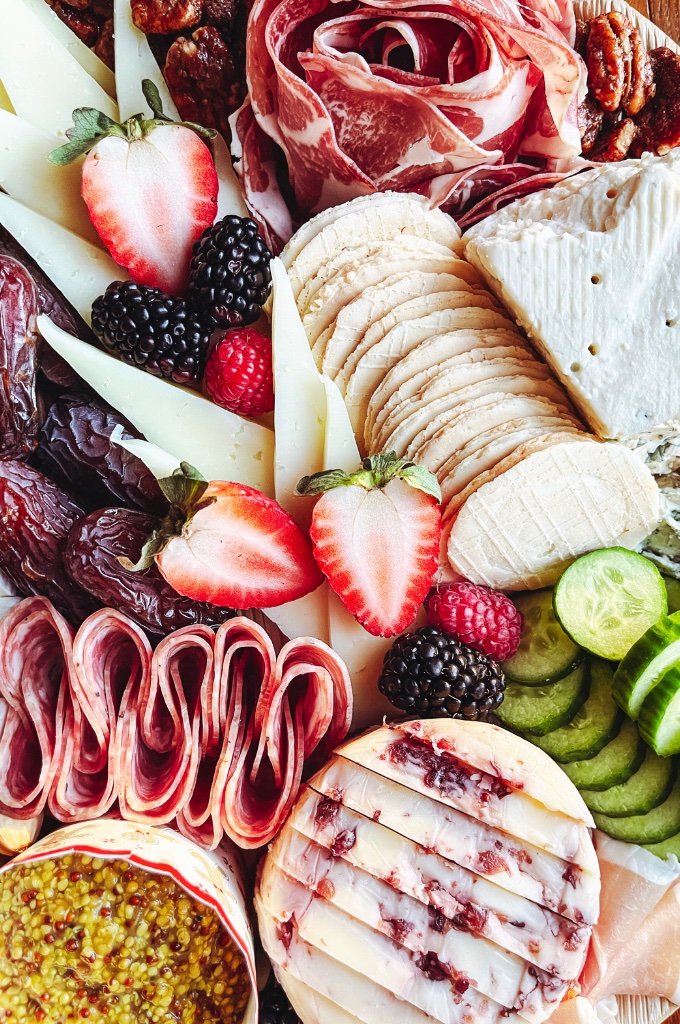
Charcuterie boards have become a staple at gatherings, offering a delightful assortment of flavors and textures that cater to diverse palates. Whether you’re hosting a small get-together or a grand celebration, a well-crafted charcuterie board can be the centerpiece of your event. Here’s a comprehensive guide to assembling the perfect board, including tips on meats, cheeses, accompaniments, and presentation.
Selecting the Best Cured Meats
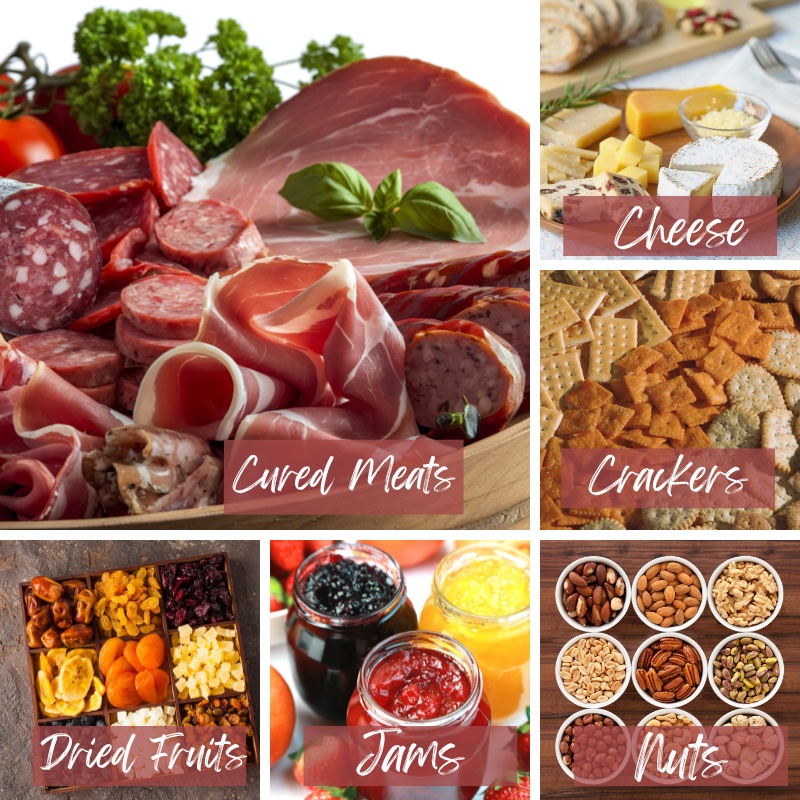
Cured meats are the heart of any charcuterie board. Here are some popular choices:
- Prosciutto: This thinly-sliced Italian ham is known for its delicate, savory flavor.
- Salami: Available in various styles, salami adds a spicy and rich taste.
- Chorizo: For a hint of spice, choose Spanish or Mexican chorizo.
- Coppa: This cured pork shoulder offers a robust flavor profile.
Tip: Aim for a variety of textures and flavors by including a mix of spicy, mild, and savory options.
Cheese Selection
Cheese adds richness and creaminess to your board. Consider these options:
- Brie: A soft, creamy cheese that pairs well with fruits and nuts.
- Aged Cheddar: Offers a sharp, tangy flavor.
- Gorgonzola: This blue cheese adds a bold, tangy element.
- Goat Cheese: A soft, tangy cheese that complements both savory and sweet items.
Tip: Include cheeses from different milk sources (cow, goat, sheep) for variety.
Crackers and Bread
Provide a base for meats and cheeses with an assortment of crackers and bread:
- Multigrain Crackers: Add texture and subtle flavor.
- Crostini: Thinly sliced, toasted bread creates a crunchy contrast.
- Breadsticks: These offer a unique shape and crunch.
Tip: Offer gluten-free options to accommodate dietary restrictions.
Nuts and Jams
Enhance your board with nuts and jams for added flavor and texture:
- Almonds and Walnuts: Offer a crunchy, nutty element.
- Fig or Apricot Jam: Provide sweetness that pairs well with cheese.
- Honey: Drizzle over cheese for a touch of sweetness.
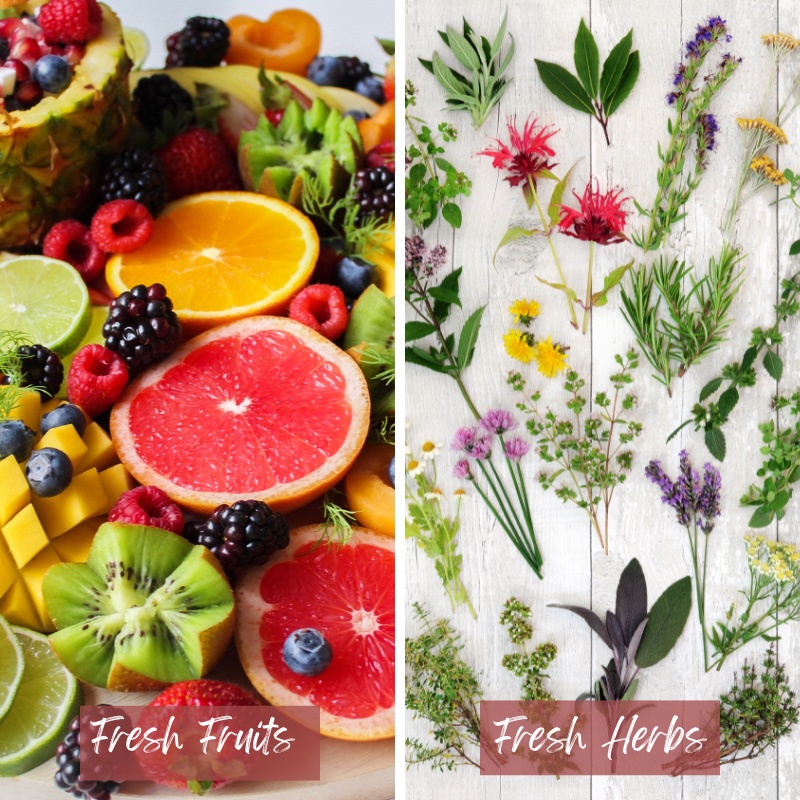
Fresh and Dried Fruits
Fruits add a burst of color and sweetness:
- Fresh Grapes and Berries: These offer freshness and vibrant color.
- Dried Apricots and Figs: Add chewy texture and deep sweetness.
Fresh Herbs
Fresh herbs like rosemary or thyme can fill gaps and add aroma, enhancing the overall presentation without overpowering other flavors.
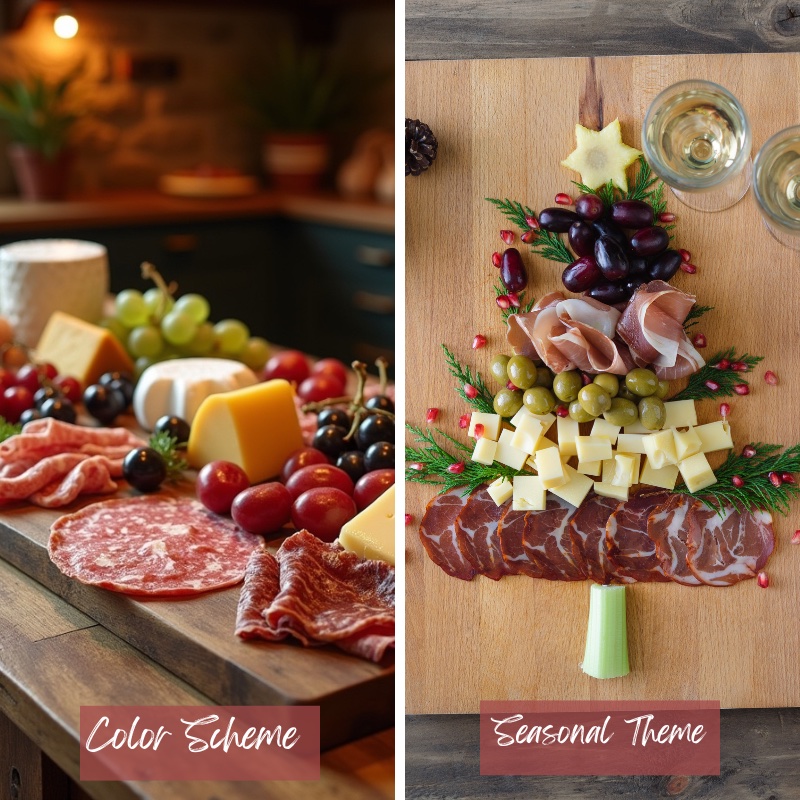
Color Scheme and Themes
While a theme isn’t necessary, a cohesive color scheme enhances visual appeal. Consider seasonal themes, like vibrant colors for summer or earthy tones for autumn. Holidays can inspire thematic boards using specific colors or shapes.
Tip: Use a mix of colors and shapes to create visual interest and balance.
Presentation Tips
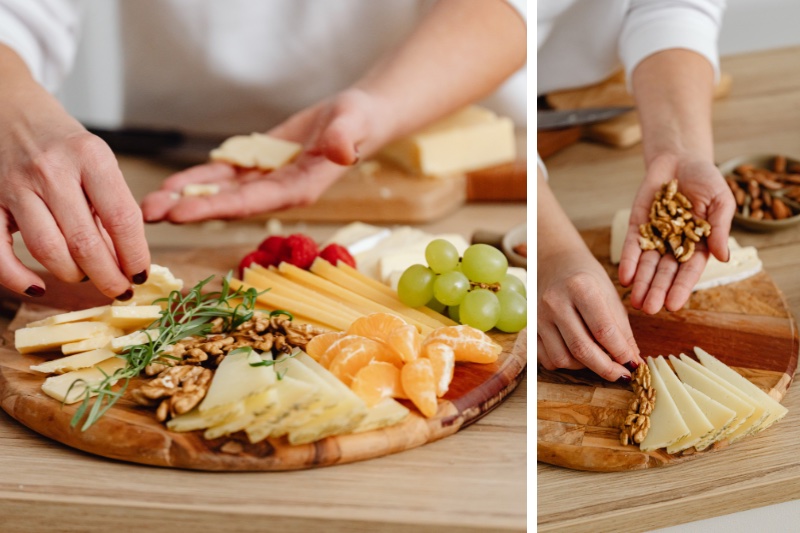
- Layering: Start with larger items like cheeses and meats, then fill gaps with smaller items like nuts and fruits.
- Balance: Distribute items evenly across the board for a balanced look.
- Textures: Incorporate different textures, from smooth cheeses to crunchy nuts.
Final Touches
- Labels: Use small cards to label each item for easy identification.
- Utensils: Provide cheese knives, toothpicks, and small tongs for easy serving.
Common Mistakes to Avoid When Creating a Charcuterie Board
While creating a charcuterie board can be a fun and creative endeavor, there are some common pitfalls to avoid to ensure your board is both visually appealing and a culinary delight.
1. Overcroding the Board
A common mistake is trying to fit too many items on the board. While variety is key, overcrowding can make the board look cluttered and make it difficult for guests to serve themselves. Tip: Leave some space between items to allow for easy picking and a cleaner look.
2. Lack of Variety
It’s important to include a diverse selection of flavors and textures. Sticking to only one type of meat or cheese can result in a less exciting experience for your guests. Ensure you have a mix of spicy, mild, bold, and creamy options. Tip: Aim for at least three different types of meats and cheeses.
3. Ignoring Dietary Restrictions
Forgetting to consider dietary restrictions can exclude guests from enjoying the board. Be mindful of common allergies and preferences, such as gluten-free, vegetarian, or nut allergies. Tip: Clearly label items that cater to specific dietary needs.
4. Inadequate Preparation
Preparing items incorrectly or at the wrong time can affect quality. For example, cheeses should be served at room temperature for the best flavor, but leaving them out too long before serving can cause them to dry out. Tip: Prepare your board shortly before serving and store perishable items properly until needed.
5. Forgetting the Essentials
Sometimes, the basics get overlooked, such as providing enough utensils for easy serving. Guests may struggle to serve themselves without proper tools, leading to frustration. Tip: Ensure you have enough cheese knives, toothpicks, and small tongs for the variety of items on your board.
6. Neglecting Presentation
Even if you have a great selection of items, a poorly arranged board can detract from the overall effect. Avoid placing similar colors or textures next to each other, which can make the board look monotonous. Tip: Use contrasting colors and textures to create visual interest and appeal.
By steering clear of these common mistakes, you can craft a charcuterie board that is both a visual masterpiece and a delightful tasting experience for all your guests.